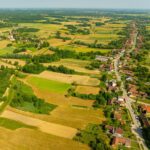
Information about buying land and investing in land

Author: Pamela Stone (Page 3 of 3)

Where is the Cheapest Place in America to Buy Land?

Photo by Sora Shimazaki

Buying land can be a significant investment, and finding affordable land can be a challenge in many areas. However, there are some parts of the United States where land is relatively cheap. Here are some of the cheapest places in America to buy land:

West Texas: West Texas is known for its vast expanses of open land, and prices for rural land in this region can be quite low. Some areas of West Texas offer land for as little as $500 per acre, although prices vary depending on the location, access to utilities, and other factors.

Arizona: Arizona is another state where land can be relatively cheap, particularly in rural areas. Some areas of Arizona offer land for as little as $1,000 per acre. However, it’s important to note that land in more desirable locations, such as near major cities or tourist attractions, can be much more expensive.

New Mexico: Like Arizona, New Mexico is home to large swaths of rural land where prices can be relatively low. Some areas of New Mexico offer land for as little as $1,000 per acre, although prices can vary depending on the location and access to utilities.

Florida: Florida is known for its beaches and waterfront properties, but there are also areas of the state where land is relatively cheap. Rural land in Florida can be found for as little as $2,000 per acre, although prices in more desirable locations can be much higher.

Maine: Maine is home to vast stretches of forested land, and prices for rural land in this state can be quite affordable. Some areas of Maine offer land for as little as $2,500 per acre, although prices vary depending on the location and access to utilities.

Michigan: Michigan is another state with vast stretches of rural land where prices can be relatively low. Some areas of Michigan offer land for as little as $2,500 per acre, although prices can vary depending on the location and access to utilities.

Wyoming: Wyoming is known for its wide-open spaces and natural beauty, and prices for rural land in this state can be quite affordable. Some areas of Wyoming offer land for as little as $2,500 per acre, although prices in more desirable locations can be much higher.

Montana: Montana is home to some of the most beautiful landscapes in the country, and prices for rural land in this state can be quite affordable. Some areas of Montana offer land for as little as $3,000 per acre, although prices can vary depending on the location and access to utilities.

It’s important to note that while land in these areas may be relatively cheap, there are still important considerations to keep in mind when making a purchase. For example, some areas may have limited access to utilities such as water and electricity, which can affect the feasibility of building on the land. Additionally, it’s important to research local zoning and land use regulations to ensure that the land can be used for your intended purposes.

There are several areas of the United States where land can be relatively cheap. These areas typically include rural locations with limited access to utilities and fewer amenities, although prices can vary depending on the location and other factors. When considering a purchase in these areas, it’s important to do thorough research and consult with professionals to ensure that the land is suitable for your needs and that you understand all of the associated costs and requirements.

Where Can I Buy Land Without Much Money?

Buying land can be a significant investment, and it can be challenging to find affordable options that fit within your budget. However, there are several options available for those looking to purchase land without much money. In this article, we will discuss some of the places you can buy land without much money.

1. Rural Areas

One of the most affordable places to buy land is in rural areas. Land prices in rural areas are typically lower than those in urban areas, making it an attractive option for those on a tight budget. Additionally, rural land may be ideal for those looking for a peaceful, quiet setting away from the hustle and bustle of city life. When buying land in rural areas, you should consider the accessibility of the property, as some rural areas may not have access to utilities such as electricity and water.

2. Tax Sales

Another option for buying land without much money is through tax sales. When a property owner fails to pay their property taxes, the government may seize the property and sell it at a tax sale auction. These auctions typically offer properties at a fraction of their market value, making them an affordable option for those looking to purchase land. However, it is essential to conduct thorough research and due diligence before purchasing a property at a tax sale, as the properties may have liens, debts, or other legal issues.

3. Foreclosures

Foreclosure sales are another option for those looking to buy land without much money. When a property owner defaults on their mortgage payments, the lender may foreclose on the property and sell it to recoup their losses. Foreclosure sales typically offer properties at below-market prices, making them an affordable option for investors. However, it is essential to conduct thorough research and due diligence before purchasing a foreclosed property, as they may have legal issues or require significant repairs.

4. Online Auctions

Online auctions are becoming increasingly popular as a way to purchase land at affordable prices. Websites such as LandWatch and LandCentury offer a variety of land listings for sale, many of which are priced below market value. Online auctions provide a convenient way to purchase land without the need to attend in-person auctions. However, it is essential to conduct thorough research on the property and the auction platform before making a purchase.

5. Land Grants

Land grants may also be an option for those looking to purchase land without much money. Some states and local governments offer land grants to individuals or organizations for specific purposes such as farming, conservation, or community development. These land grants may provide free or low-cost land for those who meet specific criteria. However, the application process can be competitive, and there may be restrictions on the use of the land.

Conclusion

Buying land can be a significant investment, and it may seem daunting to find affordable options that fit within your budget. However, there are several options available for those looking to purchase land without much money, such as rural areas, tax sales, foreclosures, online auctions, and land grants. Before making a purchase, it is essential to conduct thorough research and due diligence on the property and the purchasing process to ensure that it is a solid investment decision. By exploring these options, you may be able to find affordable land that meets your needs and budget.

What Are the Top Five States for Retirees to Buy Land?

When it comes to retirement, many people dream of owning their own piece of land, whether it’s for a retirement home, a small farm, or simply a place to enjoy nature. However, not all states are created equal when it comes to retiree-friendly land purchases. In this article, we will explore some of the top states for retirees to buy land.

1. Florida

Florida is a perennial favorite for retirees, and for good reason. The state offers a warm, sunny climate, beautiful beaches, and a relatively low cost of living. Additionally, Florida does not have a state income tax, which can be a big draw for retirees on a fixed income.

2. Arizona

Arizona is another popular destination for retirees, thanks in part to its warm, dry climate and stunning natural landscapes. The state is also known for its relatively low property taxes and housing costs, making it an attractive option for retirees looking to stretch their retirement savings.

3. North Carolina

North Carolina offers a variety of scenic landscapes, from the beaches of the Outer Banks to the rolling hills of the Piedmont region. The state also has a relatively low cost of living and affordable housing, particularly in rural areas. Additionally, North Carolina offers a favorable tax environment for retirees, with no tax on Social Security benefits and a modest income tax rate.

4. Tennessee

Tennessee is another state that offers a favorable tax environment for retirees, with no state income tax and low property taxes. The state also offers a variety of natural attractions, including the Great Smoky Mountains National Park and the Tennessee River. Housing costs in Tennessee are also relatively affordable, particularly in rural areas.

5. Texas

Texas is a large and diverse state that offers a variety of options for retirees looking to buy land. The state offers a warm climate, a low cost of living, and no state income tax. Additionally, Texas has a variety of natural attractions, from the Gulf Coast to the Hill Country. Housing costs in Texas can vary widely depending on the location, but there are many affordable options available.

6. South Carolina

South Carolina offers a warm climate, a low cost of living, and a variety of natural attractions, including beaches, mountains, and lakes. The state also offers favorable tax policies for retirees, including no tax on Social Security benefits and a modest income tax rate. Housing costs in South Carolina can vary widely depending on the location, but there are many affordable options available.

7. Idaho

Idaho is a relatively low-key destination that offers a variety of natural attractions, including mountains, forests, and lakes. The state has a relatively low cost of living and affordable housing, particularly in rural areas. Additionally, Idaho offers favorable tax policies for retirees, including no tax on Social Security benefits and a modest income tax rate.

In conclusion, there are many states that offer attractive options for retirees looking to buy land. Factors such as climate, natural attractions, cost of living, and tax policies should all be considered when making a decision. By doing research and working with experienced professionals, retirees can find the perfect piece of land to enjoy their golden years.

What is the Top Place in America for Investing in Land?

Real estate is a long-term investment that can provide significant returns, but choosing the right location is critical for success. The following are some factors to consider when looking for the top places to invest in land in America:

Economic growth: The economic growth of an area is an important factor to consider when investing in land. Areas with strong economic growth tend to have more demand for real estate, which can drive up property values. Some factors to consider when assessing an area’s economic growth include population growth, job growth, and income growth.

Infrastructure: Areas with good infrastructure, including roads, public transportation, and utilities, tend to be more desirable for investors. Good infrastructure can make it easier to attract businesses and residents to the area, which can drive up demand for real estate.

Local regulations: Local regulations can have a significant impact on the value of land. Some areas have strict zoning regulations, which can limit the types of buildings that can be constructed on the land. Other areas may have regulations that make it more difficult to develop the land, such as restrictions on the use of water or limits on the amount of development that can occur.

Natural beauty: Areas with natural beauty, such as mountains, lakes, or oceans, tend to be more desirable for investors. Properties with scenic views or waterfront access can command higher prices, which can make them a good investment.

Political stability: Political stability is an important consideration when investing in land. Areas with stable governments and low crime rates tend to be more desirable for investors. On the other hand, areas with high crime rates or political instability can make it difficult to attract businesses and residents to the area, which can negatively impact property values.

It is important to note that the top places to invest in land can vary depending on market conditions and the type of land you are looking to invest in. For example, investing in farmland may require different considerations than investing in residential or commercial land. Some popular places in America to invest in land include areas with strong economic growth and job creation, such as major metropolitan areas, as well as areas with natural beauty and recreational opportunities, such as beachfront properties or mountainous regions. It’s important to do thorough research and consult with professionals to determine the best opportunities for investing in land that align with your investment goals and risk tolerance.

Overall, when looking for the top places to invest in land in America, it is important to consider factors such as economic growth, infrastructure, local regulations, natural beauty, and political stability. By doing your research and working with experienced professionals, you can identify the best opportunities for investing in land and maximize your returns over the long term.

What Should I Look For When Buying Land to Build On?

Photo by cottonbro studio

When it comes to buying land to build on, there are several important factors to consider. Whether you are planning to build a home, a commercial building, or a farm, choosing the right plot of land can have a significant impact on the success of your project. Here are some key things to look for when buying land to build on.

1. Location

One of the most important factors to consider when buying land is location. The location of the land can determine the potential value of your property, as well as the ease of access to important amenities and services. Consider whether the land is located near schools, grocery stores, hospitals, public transportation, and other important facilities. Additionally, consider the proximity to major roads or highways, as this can impact the ease of commuting to work or other destinations.

2. Topography

The topography of the land is another important factor to consider when choosing a plot to build on. This refers to the physical features of the land, including its slope, soil composition, and natural drainage. When assessing the topography of the land, consider whether the slope is too steep for building, whether the soil is stable enough to support construction, and whether the land is prone to flooding or other natural disasters. Additionally, consider whether the land has any unique features, such as a scenic view, that could add value to your property.

3. Zoning and Restrictions

Before purchasing any land, it’s important to research the zoning regulations and other restrictions that apply to the property. Zoning regulations can impact what type of building can be constructed on the land, as well as how the property can be used. Additionally, there may be other restrictions in place, such as environmental regulations or building codes, that could impact your ability to build on the land.

4. Utilities and Infrastructure

When choosing a plot of land to build on, it’s important to consider the availability of utilities and infrastructure. This includes access to electricity, water, and sewer lines, as well as road access and other important infrastructure. Depending on the location of the land, it may be necessary to install these utilities and infrastructure yourself, which can significantly impact the cost of building on the land.

5. Cost and Financing

Of course, the cost of the land is also an important consideration. It’s important to research the local real estate market to determine whether the price of the land is reasonable, and to compare prices with other available properties in the area. Additionally, consider the financing options that are available to you, and whether you will need to secure a loan in order to purchase the land.

6. Environmental Factors

Finally, it’s important to consider any environmental factors that could impact the land. This includes things like pollution, air quality, and wildlife in the area. Consider whether the land is located near any sources of pollution, such as factories or highways, and whether there are any environmental risks associated with building on the land.

In conclusion, buying land to build on requires careful consideration of a variety of factors. By researching the location, topography, zoning regulations, utilities and infrastructure, cost, and environmental factors of a plot of land, you can make an informed decision about whether it is the right choice for your building project.

What Are the Requirements for Buying Land?

Buying land can be a significant investment, and it’s important to understand the requirements involved in the process. The requirements for buying land can vary depending on the location, type of land, and intended use. However, there are some general requirements that apply in most cases.

Financing: One of the first requirements for buying land is financing. Unless you plan to pay for the land in cash, you will need to secure financing from a lender. This typically involves submitting an application and providing documentation such as income statements, credit history, and tax returns. The lender will also evaluate the value of the land and your ability to repay the loan.

Property survey: A property survey is a critical requirement when buying land. This involves hiring a professional surveyor to determine the exact boundaries of the property, including any encroachments or easements. A property survey can help prevent legal disputes and ensure that you have clear title to the land.

Title search: A title search is another important requirement when buying land. This involves researching the history of the property to ensure that there are no liens, easements, or other encumbrances on the title. A title search can be conducted by a title company or attorney and typically involves reviewing public records such as deeds, mortgages, and court documents.

Zoning regulations: Zoning regulations are another key requirement when buying land. These regulations dictate what types of structures can be built on the land, how the land can be used, and other requirements such as setbacks and height restrictions. It’s important to review the local zoning regulations before purchasing land to ensure that it can be used for your intended purposes.

Permits: Depending on the location and intended use of the land, you may need to obtain permits from the local government before beginning any construction or development. This can include permits for building, septic systems, and other utilities.

Environmental regulations: Environmental regulations may also apply when buying land, particularly if the land contains wetlands or other protected areas. These regulations can dictate what types of activities can be conducted on the land and may require permits or approvals from government agencies.

Property taxes: Property taxes are another requirement when buying land. You will be responsible for paying property taxes on the land, which can vary depending on the location and value of the property. It’s important to factor in property taxes when evaluating the potential return on investment for the land.

Closing costs: Finally, there are closing costs associated with buying land. These can include fees for the property survey, title search, and any other legal or administrative expenses. Closing costs can vary depending on the location and type of land, but they can add up to several thousand dollars.

In summary, the requirements for buying land include securing financing, obtaining a property survey and title search, reviewing zoning and environmental regulations, obtaining any necessary permits, and paying property taxes and closing costs. It’s important to work with experienced professionals such as real estate agents, attorneys, and surveyors to ensure that you understand and comply with all requirements when purchasing land. With proper due diligence and attention to detail, buying land can be a rewarding investment opportunity.

Is Vacant Land a Good Investment?

Vacant land can be a good investment for those looking for a long-term investment with potential for appreciation and future development. Vacant land can provide a variety of opportunities for different uses such as residential, commercial, or recreational. In this article, we will discuss the benefits and considerations of buying vacant land as an investment.

Benefits of Buying Vacant Land

1. Potential for Appreciation
One of the primary benefits of buying vacant land is the potential for appreciation. Vacant land tends to appreciate over time, particularly in areas with growing populations and demand for development. Investors who purchase vacant land in strategic locations can reap substantial gains in the future when the land is developed or sold.

2. Low Maintenance and Holding Costs
Vacant land has relatively low maintenance and holding costs compared to other real estate investments such as rental properties. There are no buildings to maintain or tenants to manage, which can reduce the overall expenses associated with the investment. Holding costs such as property taxes and insurance premiums are also typically lower for vacant land.

3. Versatility
Vacant land offers versatility in terms of potential uses. Depending on the location and zoning, vacant land can be used for residential, commercial, or recreational purposes. Investors can choose to hold the land for future development or develop it themselves according to their vision.

4. Potential for Income
While vacant land typically does not generate income, there are opportunities to generate income from vacant land through renting it out for parking or storage purposes, leasing it for agricultural use, or leasing it to a telecommunications company for a cell tower. These options may provide some income while the land is being held for future appreciation or development.

Considerations When Buying Vacant Land

1. Location and Zoning
Location and zoning are critical factors to consider when buying vacant land. The location should have access to transportation, infrastructure, and amenities, and the zoning should allow for the intended use of the land. Investors should also consider the potential for future development in the area, such as new housing or commercial projects, that may impact the value of the land.

2. Site Characteristics
Site characteristics such as topography, soil quality, and natural features should be evaluated when considering vacant land for investment. These characteristics can affect the land’s ability to support development, impact construction costs, and affect the overall value of the land.

3. Development Costs
Investors should consider the potential development costs associated with the land, such as utility and road construction, grading and landscaping, and building permits. These costs can significantly impact the overall cost of the investment and should be factored into the investment analysis.

4. Market Conditions
Market conditions such as supply and demand, interest rates, and economic growth should be evaluated when considering vacant land for investment. Investors should be aware of market trends and potential shifts in demand that could impact the value of the land in the future.

5. Legal and Environmental Issues
Investors should conduct thorough due diligence to identify any legal or environmental issues associated with the land. These issues could include zoning violations, easements, environmental contamination, or endangered species habitat. Identifying and addressing these issues can prevent costly legal or environmental disputes down the road.

Conclusion

Vacant land can be a good investment for those looking for a long-term investment with potential for appreciation and versatility in use. The potential for appreciation, low maintenance and holding costs, versatility, and potential for income make it an attractive investment option. However, it is important to carefully consider factors such as location and zoning, site characteristics, development costs, market conditions, and legal and environmental issues before making a purchase. By doing thorough research and due diligence, investors can ensure that the vacant land investment meets their needs and is a solid investment decision.

Is Buying Farmland a Good Investment?

Buying farm land can be a good investment for those looking for a long-term investment that offers both financial and personal benefits. Farm land can provide opportunities for agriculture, livestock, forestry, and even recreational activities. In this article, we will discuss the benefits and considerations of buying farm land as an investment.

Benefits of Buying Farm Land

Potential for Income and Appreciation
One of the primary benefits of buying farm land is the potential for income and appreciation. Farm land can generate income through farming, renting to tenants, or leasing to hunting or fishing clubs. Additionally, the value of farm land tends to appreciate over time, making it a good long-term investment.

Diversification of Investment Portfolio
Investing in farm land can provide diversification to an investment portfolio. Farm land investments tend to have low volatility and low correlation with traditional investment assets such as stocks and bonds. This can help reduce overall portfolio risk and increase potential returns.

Tax Benefits
Farm land investments can offer tax benefits for owners. For example, owners of agricultural property may be eligible for tax breaks such as property tax exemptions, income tax deductions for expenses related to farming operations, and estate tax exemptions.

Personal Benefits
Buying farm land can also provide personal benefits such as a connection to nature and the ability to engage in outdoor activities such as hunting, fishing, and hiking. It can also provide a sense of pride and fulfillment to own and maintain a piece of land.

Considerations When Buying Farm Land

Location and Climate
Location and climate are important factors to consider when buying farm land. The location should have access to transportation, markets, and infrastructure, and the climate should be suitable for the intended use of the land. For example, crops and livestock may require specific temperatures and rainfall levels to thrive.

Soil Quality
Soil quality is a critical factor to consider when buying farm land. Soil tests can determine the land’s fertility, pH levels, and nutrient levels, which can affect the land’s productivity and value. Soil quality can also impact the potential for erosion and drainage issues, which can affect the land’s ability to support crops and livestock.

Water Resources
Access to water resources is another important factor to consider when buying farm land. Adequate water resources are necessary for crop irrigation and livestock watering. Water quality should also be considered, as poor water quality can affect the health and productivity of crops and livestock.

Infrastructure and Utilities
Infrastructure and utilities are important considerations when buying farm land. The land should have access to utilities such as electricity, water, and sewer, as well as access to roads and transportation. Additionally, farm structures such as barns, sheds, and fences may need to be built or repaired, which can affect the overall cost of the investment.

Land Use Restrictions
Land use restrictions such as zoning and conservation easements can affect the ability to use the land for certain purposes. It is important to research these restrictions before buying farm land to ensure that the land can be used for the intended purpose.

Risk Management
Farm land investments come with risks such as weather events, crop and livestock disease, and market fluctuations. It is important to have a risk management plan in place to mitigate these risks and protect the investment.

Conclusion

Buying farm land can be a good investment for those looking for a long-term investment that offers financial and personal benefits. The potential for income and appreciation, diversification of investment portfolio, tax benefits, and personal benefits make it an attractive investment option. However, it is important to carefully consider factors such as location and climate, soil quality, water resources, infrastructure and utilities, land use restrictions, and risk management before making a purchase. By doing thorough research, investors can ensure that the farm land investment meets their needs.

What Should I Know When Buying Land?

Buying land can be a smart investment that provides a variety of benefits, such as building a home or business, farming, or recreational activities. However, there are several important factors to consider before making a purchase. In this article, we will discuss what to know when buying land.

The Purpose of the Land

Before buying land, you should consider the purpose of the land. Are you planning to build a home, start a business, or use the land for recreational purposes? Each purpose may require different features, such as access to utilities or zoning regulations.

You should also consider the size of the land and its location. If you plan to build a home, you may need a larger parcel of land than if you plan to use the land for farming or recreation.

Financing Options

Financing options for buying land are different from those for buying a home or commercial property. Traditional lenders may require a larger down payment, higher interest rates, and shorter repayment terms for land purchases.

You may also consider other financing options, such as owner financing or land contracts. Owner financing allows the seller to finance the purchase directly, and the buyer makes payments to the seller over time. A land contract is a legal agreement between the buyer and seller in which the buyer agrees to pay the seller for the land over a set period.

Title and Ownership

Title and ownership of the land are crucial considerations when buying land. You should research the property’s title to ensure that it is free of liens or other encumbrances. A title search can also help identify any boundary disputes or other legal issues that may affect the property’s ownership.

You should also consider hiring a real estate attorney or title company to handle the closing process and ensure that the ownership transfer is legal and binding.

Zoning Regulations

Zoning regulations determine how the land can be used and developed. Before buying land, you should research the local zoning regulations to ensure that the land can be used for your intended purpose.

Zoning regulations may restrict the type of structures that can be built on the land, such as residential or commercial buildings, and may limit the height, size, or setbacks of the structures.

Environmental Considerations

Environmental considerations are important when buying land. You should research any potential environmental hazards, such as pollution or hazardous waste sites, in the area. These factors can affect the land’s value and may have legal and financial implications.

You may also need to consider any environmental regulations that may affect the land’s use and development, such as wetlands or protected habitats.

Access and Utilities

Access and utilities are important factors to consider when buying land. You should consider the availability and cost of utilities, such as water, electricity, and sewage. If the land is in a remote area, you may need to install a well or septic system.

You should also consider the access to the land and the condition of the roads leading to the property. The access should be in good condition and easily accessible year-round.

Insurance

Insurance is an important consideration when buying land. You should research the type of insurance required for the property, such as liability or hazard insurance. You should also consider the cost of insurance and factor it into your budget.

In conclusion, buying land is a significant investment that requires careful consideration and research. The purpose of the land, financing options, title and ownership, zoning regulations, environmental considerations, access and utilities, and insurance are all important factors to know about and to research when buying land. By carefully considering these aforementioned factors, you can ensure that the land is a good investment for you.

What Should I Consider When Buying Land?

Buying land is a significant investment and can be a complex process. Before making a purchase, it is essential to consider several factors to ensure that the land meets your needs and is a sound investment. In this article, we will discuss what to consider when buying land.

Location

The location of the land is one of the most important factors to consider when buying land. The value of the land depends on its location, proximity to urban centers, and accessibility to transportation networks. Land located in areas with high growth potential, such as near highways or airports, is more valuable than land in remote or isolated areas.

Before buying land, it is essential to research the area and consider the potential for future growth and development. You should also consider the quality of schools, medical facilities, and other essential amenities in the area.

Zoning Laws

Zoning laws determine how the land can be used and developed. Before buying land, it is crucial to research the local zoning laws to ensure that the land can be used for your intended purpose. Zoning laws may restrict the type of structures that can be built on the land, such as residential or commercial buildings, and may limit the height, size, or setbacks of the structures.

If you plan to use the land for a specific purpose, such as farming, hunting, or recreational use, you should also research any permits or licenses required by local authorities.

Access and Utilities

Access to the land and utility services is another crucial factor to consider when buying land. The land should have proper access roads, and the roads should be in good condition and easily accessible year-round.

You should also research the availability of utility services, such as water, electricity, and sewage. If the land is in a remote area, you may need to install a well or septic system. You should also consider the cost of installing utilities and factor these costs into your budget.

Topography and Soil Quality

The topography and soil quality of the land are important factors to consider when buying land. The topography of the land can affect drainage and erosion, and the soil quality can affect the land’s ability to support vegetation.

Before buying land, you should consider the land’s topography and soil quality and research any potential issues, such as flooding, erosion, or soil contamination. You may also want to have the soil tested to determine its fertility and suitability for farming or other agricultural activities.

Environmental Factors

Environmental factors, such as natural hazards, wildlife habitats, and wetlands, can affect the use and development of the land. Before buying land, you should research any environmental factors that may affect the land’s value or use.

You may also want to consider any potential environmental hazards, such as pollution or hazardous waste sites, in the area. These factors can affect the land’s value and may have legal and financial implications.

Legal Issues

Before buying land, it is essential to research any legal issues that may affect the property. You should research the property’s history and any past legal disputes, such as boundary disputes, zoning violations, or easements.

You should also consider any legal fees, such as property taxes, surveying, and closing costs, associated with buying the land. You should factor these costs into your budget and ensure that you have the necessary funds to complete the purchase.

In conclusion, buying land is a significant investment that requires careful consideration and research. Location, zoning laws, access and utilities, topography and soil quality, environmental factors, and legal issues are all important factors to consider when buying land. By doing your due diligence and carefully considering these factors, you can ensure that the land meets your needs and is a sound investment.

Newer posts »